Madidi National Park Jungle Tour 2026
What it's really like to sleep in the Amazon without losing your soul (or your wallet) — prices, community lodges, wildlife, and honest tips.
Madidi National Park Jungle Tour 2026: What It's Really Like to Sleep in the Amazon Without Losing Your Soul (or Your Wallet)
I still wake up sometimes smelling that thick, wet jungle air — the kind that sticks to your skin and makes every breath feel like you're drinking the forest. Madidi National Park isn't just another patch of Amazon. It's one of the most biodiverse places on the planet, squeezed between the Andes and the lowland jungle, and somehow still quiet enough in 2026 that you can hear your own heartbeat at night instead of tour groups laughing. I've done four different jungle tours there over the last couple of years — pampas, deep jungle, community lodges, luxury eco-camps — and every time I come out a little quieter, a little more convinced that this is what travel is supposed to feel like.
This isn't a glossy brochure. It's what actually happens when you leave Rurrenabaque in a long wooden boat, mosquitoes buzzing, and disappear into Madidi for three, four, or seven days. Prices have crept up a bit since 2024 (fuel, more demand from people tired of overtouristed spots), but you can still do a proper jungle tour for $150–400 depending on how basic or comfortable you want it. Here's the honest 2026 guide to Madidi National Park jungle tours: where the wildlife really shows up, which lodges don't treat the forest like a theme park, and how to avoid coming home with regrets.
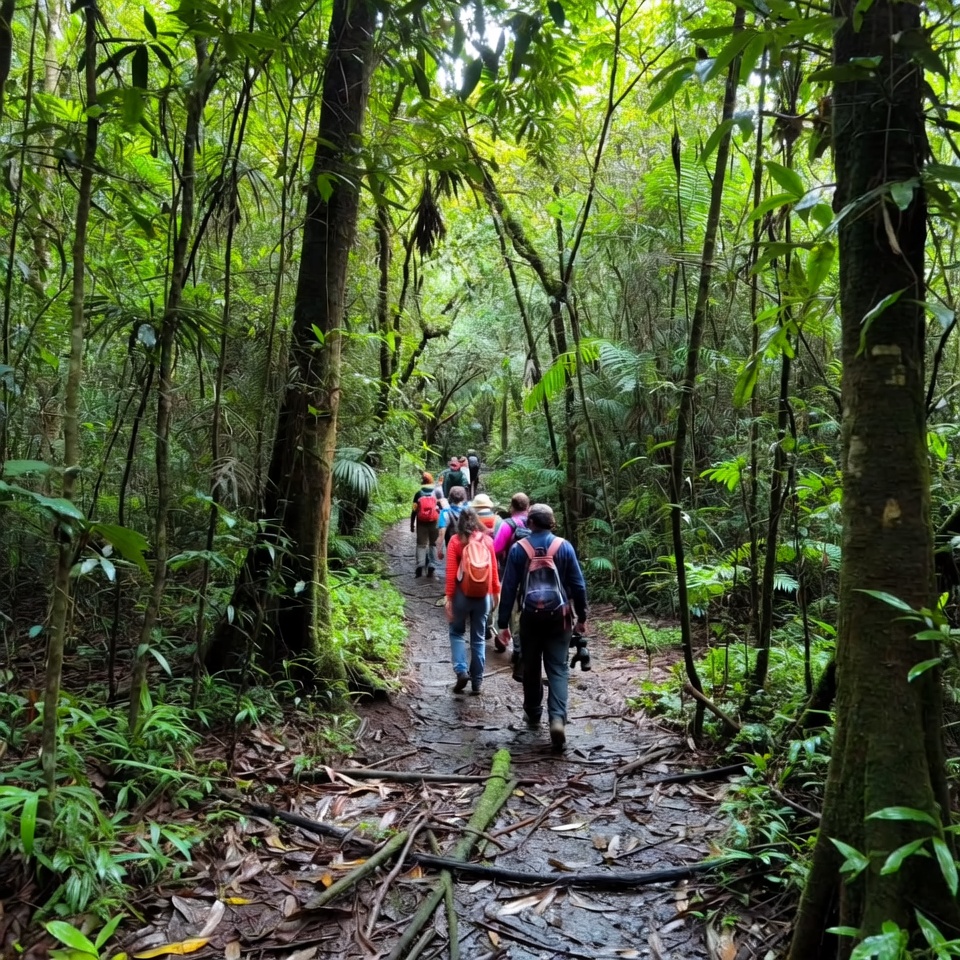
Why Madidi National Park jungle tours still feel special in 2026
Madidi sits right where the Andes crash into the Amazon basin — elevation drops from 5,000 m to 200 m in less than 100 km. That gradient creates insane biodiversity: jaguars, pink river dolphins, macaws, caimans, over 1,000 bird species, and plants that science hasn't even named yet. In 2026 it's still one of the least-visited big Amazon parks because getting there takes effort. No fancy airports, no paved roads past Rurrenabaque. You have to want it.
The Bolivian government and local communities have been pushing sustainable tourism harder lately — more lodges owned by indigenous groups, stricter rules on group size, less plastic allowed. It's not perfect (some cheap operators still trash the place), but it's better than ten years ago. If you pick right, your money goes straight to families who've lived here for generations, not some chain in La Paz.
How to get to Madidi National Park jungle tours in 2026
Everything starts in Rurrenabaque ("Rurre").
From La Paz:
• Flight (Amaszonas or Boliviana de Aviación): $40–90 one-way, 45 min, daily
• Overnight bus: $15–25, 18–22 hours (bumpy, but cheap)
From Rurre to the park:
• Boat transfer to lodge (included in tour price) — 2–8 hours depending on lodge location
• Pampas tours: 3-hour jeep + 2-hour boat
• Deep jungle: longer boat ride (4–8 hours)
Most tours include pickup from Rurre airport/bus station.
Madidi jungle tour prices & types in 2026 (what you're really paying for)
Pampas tours (wetlands, easier wildlife spotting)
• 3 days/2 nights: $150–250 (caiman night spotting, piranha fishing, pink dolphins, big groups 8–12)
• Best for: beginners, people who want animals without deep jungle hikes
Classic jungle lodge tours (deep forest, trails, birdwatching)
• 3 days/2 nights: $220–350
• 4 days/3 nights: $280–450
• 7 days/6 nights: $500–800 (hiking, night walks, canopy platforms, smaller groups 4–8)
Community-owned / indigenous lodges (most ethical)
• Chalalan Ecolodge (classic benchmark): $350–500 for 3–4 days
• San Miguel del Bala, Tacuaral, Mapajo: $200–350 (100% owned by Tacana or Tsimane communities, profits stay local)
Luxury / glamping options
• Chalalan or Madidi Jungle Ecolodge premium: $450–700+ (private cabins, better food, expert naturalist guides)
Extras almost always included: meals, guides, activities, transfers from Rurre. Not included: transport to Rurre, tips ($10–20/day/guide), bug spray, personal items.
What a real Madidi jungle tour feels like (day-by-day breakdown)
Typical 4-day jungle lodge tour
Day 1 Arrival Rurre → boat ride up Beni/Madidi River (2–6 hours, monkeys in trees, dolphins if lucky). Check into lodge — wooden cabins on stilts, mosquito nets, no AC (you don't need it). Afternoon walk — first howler monkeys screaming, leafcutter ants marching. Night walk — caimans eyes glowing red in flashlight beam.
Day 2 Sunrise birdwatching (macaws, toucans, parrots at clay lick if nearby). Hike deep trail — guide points out medicinal plants, explains Tacana stories. Lunch back at lodge — fresh fish from river, plantain, yuca. Afternoon canoe on oxbow lake — piranha fishing (catch & release), swim if brave. Night: stars unreal, no light pollution.
Day 3 Early start for macaw clay lick or canopy tower. Longer hike — chance for howler monkey family, maybe tapir tracks. Evening: cultural talk from indigenous guide — how they hunt, why jaguar is sacred.
Day 4 Sunrise paddle or last bird walk. Boat back to Rurre, fly/bus out.
Ethical & sustainable Madidi jungle tours in 2026 — who actually delivers
Top picks (community-owned or strong ethics)
• Chalalan Ecolodge — gold standard, 100% indigenous-owned, profits fund community projects
• San Miguel del Bala — Tacana community, small groups, no plastic policy
• Mapajo Ecolodge — Tsimane people, remote, authentic
• Madidi Jungle Ecolodge — conservation focus, reforestation projects
Red flags
• Huge groups (12+)
• Cheap pampas tours that feed caimans for photos
• No mention of community benefits
• Plastic bottles everywhere
Packing for Madidi jungle tour 2026 (don't skip these)
• Long lightweight pants + long-sleeve shirts
• Rain jacket / poncho
• Strong bug repellent (DEET 30–50%)
• Headlamp + extra batteries
• Binoculars (birds/monkeys)
• Quick-dry towel
• Reusable water bottle
• Dry bag for electronics
• Sunscreen, hat
• Malaria pills (consult doctor)
• Flip-flops for lodge, hiking shoes for trails
• Cash USD/BOB for tips
FAQ — real questions from Madidi jungle tour travelers 2026
Madidi National Park jungle tour 2026 best time? Dry season May–Oct — trails dry, fewer bugs. Rainy Nov–Apr greener, more birds.
Madidi jungle tour price 2026? $150–250 pampas 3 days, $220–500 deep jungle 3–4 days.
Best Madidi National Park jungle tour operator 2026? Chalalan, San Miguel del Bala, Mapajo — community-owned.
Madidi National Park jungle tour from Rurrenabaque 2026? All start from Rurre — boat transfer included.
Madidi jungle tour ethical sustainable 2026? Look for indigenous-owned lodges — money stays local.
Madidi National Park pink dolphins tour 2026? Pampas tours better chance — deep jungle less reliable.
Madidi jungle tour independently 2026? Not realistic — need guide & boat, lodges handle logistics.
Madidi National Park wildlife spotting tips 2026? Dawn/dusk walks, quiet, binoculars, patience.
Madidi jungle tour mosquitoes 2026? Heavy — DEET, long clothes, net.
Madidi National Park Bolivia biodiversity 2026? Still insane — 1,000+ birds, jaguars, pink dolphins.
Madidi doesn't hand you wildlife on a plate. You earn it — sweat through hikes, wake up before dawn, sit still until your legs cramp. But when that scarlet macaw flies overhead or a pink dolphin arcs next to your canoe… it's worth every bite. In 2026 pick a lodge where the people who own it also live here. Your money stays in the forest instead of disappearing into some office in La Paz.
If you want help choosing between Chalalan and Mapajo or need contacts — ask. I'll point you to the real ones.
Safe paddles. Keep the jungle quiet.