Potosi Mine Tour Ethical 2026
How to visit Cerro Rico without feeling like a voyeur — and actually do some good. Real co-op tours, honest prices, and community impact.
Potosi Mine Tour Ethical 2026: How to Visit Cerro Rico Without Feeling Like a Voyeur (and Actually Do Some Good)
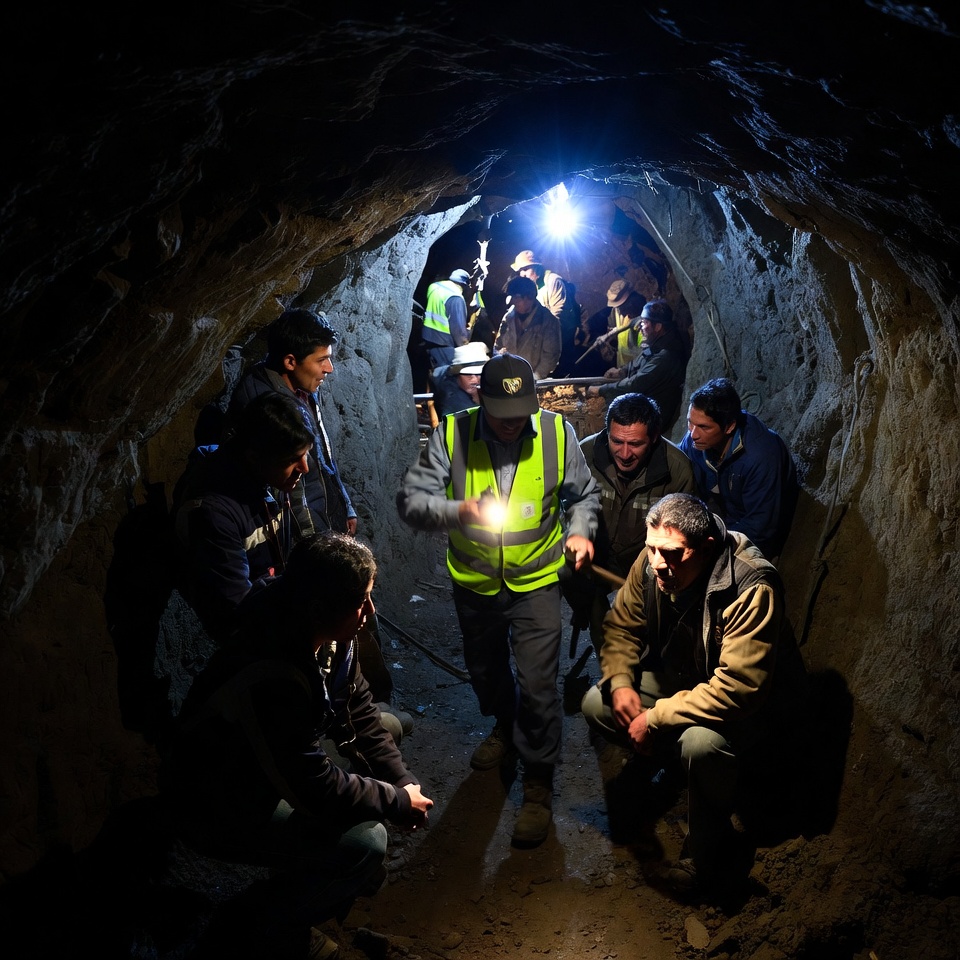
The first time I crawled into one of those narrow tunnels in Cerro Rico, helmet light bouncing off wet rock, the smell of dynamite and damp earth thick in my nose, I thought: this is insane. People still work here. Every day. For $10–15. While tourists like me pay $25–50 to "experience" it for a few hours and then go eat pizza. I felt like a rubbernecker at a car crash. That guilt stuck with me until I started digging into which tours actually try to do better than just hand you a helmet and say "have fun".
In 2026 "ethical Potosi mine tour" isn't just a nice-to-have phrase anymore. It's starting to mean something — because the mountain is literally eating itself (sinkholes, collapses), miners are still dying young from silicosis, and the silver that built empires five centuries ago now barely keeps families afloat. But some operators are changing the game: money goes directly to co-ops, guides are current or former miners, no child labor cover-ups, and part of your fee funds safety gear or medical help.
I've done four different tours over the last two years — the classic exploitative ones, the middle-ground, and the genuinely community-run. Here's the no-BS 2026 guide to visiting Cerro Rico ethically: who's legit, what the experience really feels like, how much it costs, and why skipping the whole thing might be the most ethical choice of all.
Why "ethical Potosi mine tour" matters more in 2026 than ever
Cerro Rico ("Rich Hill") has been mined nonstop since 1545. Silver from here funded the Spanish Empire. Now? Mostly zinc, lead, tin.
• Average miner lifespan: 40–50 years (silicosis, accidents)
• Daily wage: $10–20
• Child labor still exists in small informal shafts (though less than 10–15 years ago)
• Tourism brings in cash but also voyeurism accusations
• Lithium boom next door puts more pressure on water and land
A truly ethical tour in 2026 should:
• Pay miners/co-ops directly (not middlemen)
• Use only current or ex-miners as guides (they know the risks)
• Give 20–50% of profit back to community (safety gear, health funds)
• Limit group size (max 6–8)
• Be transparent about dangers and realities
• Refuse to show "staged" or child-work areas
The operators that actually walk the ethical talk in 2026 (and prices)
1. Pailaviri Cooperative Tours (the real standout)
• Run 100% by the miners' co-op
• Guides are working miners on their day off
• Profits split: 40% to miners, 30% to safety/medical fund, rest operations
• Small groups (4–6)
• No sugar-coating: they show you the real conditions
• Price: $25–40 (3–4 hours, includes helmet, lamp, mask)
• Reviews 2025–2026 consistently praise transparency and respect
2. Manzana Tours / El Tío Tours (community-focused)
• Aymara-owned, partners with co-ops
• Guides are ex-miners
• Part of fee buys new masks/respirators for workers
• No photos in active dangerous zones
• Price: $30–45
3. Big agencies with "ethical" add-ons (Viator, GetYourGuide, Red Planet)
• Hit or miss. Some partner with co-ops, some don't.
• Look for "community-led" or "miner-owned" in description
• English available, easier booking
• Price: $40–70 (higher comfort, but less direct impact)
Red flags for non-ethical tours (still common in 2026)
• $15–20 price (too cheap = skimping on safety/money to miners)
• Large groups (10+)
• Guide not from mining community
• "Show" tunnels with staged dynamite blasts
• No mention of where money goes
What an ethical Potosi mine tour actually feels like (hour by hour)
Prep & gear
Pickup in Potosi center. Real helmet (not toy), strong lamp, proper respirator mask (not cheap cloth). Guide (usually a miner) explains risks: silica dust, explosions, collapses. You sign a waiver that actually means something.
Entering the mine
Walk or crawl through narrow tunnels (some 1 m high). Dark, humid, loud with chisels and distant blasts. Guide shows veins of ore, explains daily life — 8–12 hour shifts, dynamite homemade, no lunch break sometimes.
The realities they don't hide
• El Tío shrine (devil figure miners pray to for safety) — you leave coca leaves, cigarettes.
• Working miners pass by — they nod, sometimes chat. No photos of faces without permission.
• Old collapses and narrow shafts — you feel how dangerous it is.
• No sugar-coating: "My brother died here last year." They tell it straight.
End & reflection
Back to surface after 2–3 hours underground. Guide answers questions (health, wages, future). Many tours finish with a small donation option for miner funds.
Ethical vs classic tourist Potosi mine tour – the difference
Ethical
• Money to miners/co-op
• Honest storytelling
• Small group, respect for workers
• You leave feeling respect + unease (good unease)
Classic tourist
• Cheaper, bigger groups
• Staged dynamite for photos
• Guide glosses over dangers
• You leave with cool photos and vague guilt
Packing & prep for an ethical Potosi mine tour 2026
• Long pants, long sleeves, closed shoes (dust, sharp rocks)
• Bandana or buff for neck/dust
• Small backpack (water, snacks)
• Cash for tips/donation (BOB small bills)
• Respect: ask before photos, don't touch equipment, follow guide exactly
• Mindset: this isn't entertainment — it's someone's workplace
FAQ — questions people actually ask before ethical Potosi mine tour 2026
Ethical Potosi mine tour 2026 which ones are real? Pailaviri Co-op or Manzana Tours — miner-owned, transparent.
Potosi mine tour ethical price 2026? $25–45 (cheaper than touristy $50–70 versions).
Cerro Rico mine tour safety ethical 2026? Better masks, smaller groups, honest risk talk.
Best ethical Potosi mine tour operator 2026? Pailaviri Cooperative — direct to miners, best reviews.
Potosi mine tour ethical vs tourist 2026? Ethical = money to workers, honest, small groups. Tourist = staged, cheap, big crowds.
Potosi Cerro Rico ethical tour child labor 2026? Legit ones avoid/show no child work — ask directly.
Sustainable Potosi mine tour 2026? Look for co-op owned, health fund contributions.
Potosi mine tour ethical reviews 2026? Check recent TripAdvisor/Reddit for "miner guide" mentions.
Is Potosi mine tour worth it ethically 2026? If you want raw reality — yes. If you want "fun" — skip.
Potosi's mines aren't a theme park. They're still active, dangerous, and barely paying the bills. Going ethically means choosing tours where your $30–40 actually helps the people underground instead of just making a middleman rich. Ask hard questions. Tip the guide generously. And when you get out, breathe the fresh air and remember: you got to leave. They don't.
If you want help picking between two specific operators or need contacts for co-op tours — write me. I'll point you to the real ones.
Safe descent. And respect.