Sustainable Uyuni Tours 2026
How to see the salt flats without feeling like you're helping kill them — community-owned tours, no plastic, and responsible travel that actually works.
Sustainable Uyuni Tours 2026: How to See the Salt Flats Without Feeling Like You're Helping Kill Them
I remember standing in the middle of the salar during my second trip, looking at the perfect mirror reflection of the sky, and suddenly feeling a knot in my stomach. The place was so beautiful it hurt, but right next to our jeep was a pile of discarded plastic bottles and snack wrappers someone had left the day before. That moment flipped something in me. Uyuni isn't just a giant white playground for tourists — it's a living, fragile system sitting on top of the world's largest lithium deposit, feeding flamingos, supporting Aymara communities, and slowly getting squeezed by climate change and human footprints.
In 2026 "sustainable Uyuni tours" isn't some cute marketing sticker anymore. It's starting to matter — really matter — because the mirror effect still shows up in January and February, but the lagoons are shallower, some flamingo colonies have moved, and more people are asking guides awkward questions like "where does all this trash go?" I've taken five different tours over the last two years specifically hunting for the ones that try to do less harm. Some are genuinely trying. Some are just painting the jeep green. Here's the unfiltered 2026 reality of what sustainable actually looks like on the salt flats right now.
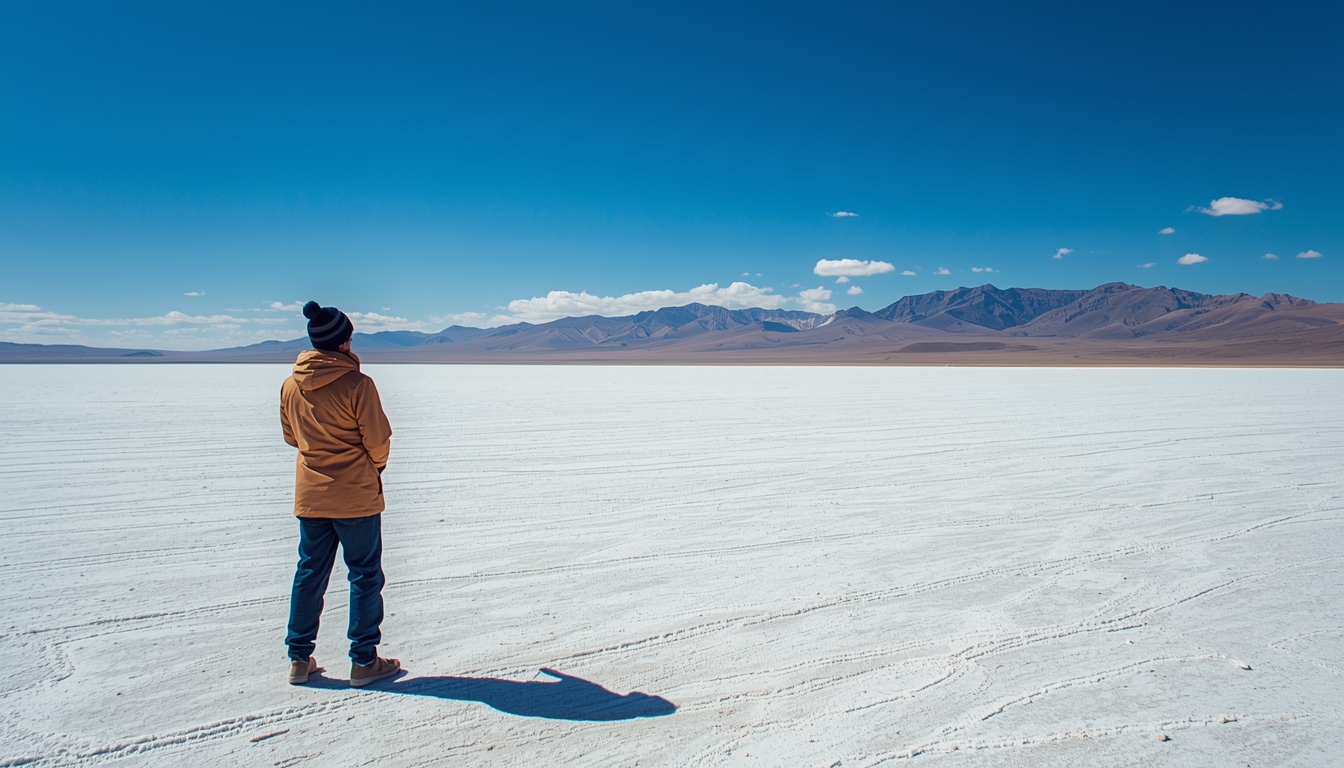
Why "sustainable Uyuni tours" suddenly feel urgent in 2026
The salar is tough — 10,000+ km² of salt crust sitting on a lithium-rich brine lake — but it's not invincible.
• Plastic and human waste end up in lagoons and under the crust
• Diesel jeeps burn fuel and leave tracks that can last years
• Too many vehicles stress flamingo feeding grounds
• Water extraction (tourism + lithium projects) lowers the water table
• Climate change is already shortening reliable mirror windows
Good news? In 2026 more operators are listening. Community-owned tours are growing, some agencies switched to reusable everything, and a few are even testing hybrid or electric jeeps (still rare, but real). The bad news? Greenwashing is everywhere. "Eco" in the name doesn't mean squat if they still hand out 50 plastic bottles per jeep.
Which Uyuni tours in 2026 are actually trying to be sustainable (and how much they cost)
Here's what held up when I dug into policies, recent traveler reviews, and asked direct questions:
1. Community & Aymara-owned operators (the gold standard right now)
• Small groups (4–6 max)
• Guides from local Aymara communities around Colchani or Tahua
• 100% of profits stay with families or village projects
• No single-use plastic — metal bottles, water filters, compostable plates
• Strict leave-no-trace rules
• Price for 3 days/2 nights: $260–380 (higher than the rock-bottom $180 tours, but you see where the money goes)
2. Nomades + "Green Uyuni" departures
• Specific sustainable dates with carbon-offset contribution
• Solar panels at some salt hotels
• Mandatory trash collection policy
• Reusable water stations
• Price: $240–340 (classic quality with eco add-ons)
3. Red Planet / America Tours eco-labeled options
• Smaller jeeps, no plastic policy in 2026
• Guides trained in environmental education
• Partnership with local recycling in Uyuni town
• Price: $230–320
4. Viator / GetYourGuide "Sustainable" or "Eco-Conscious" filters
• Hit or miss — some are legit (no plastic, small groups), some just offset emissions
• English-speaking, easy booking
• Price: $320–480 (comfort + green claims)
Street agencies advertising "eco" for $190–220? Most are greenwashing. Ask: "Do you use reusable bottles? Where does the trash go after the tour? Are your guides from local communities?" If they dodge or get defensive — run.
What a genuinely sustainable Uyuni tour looks like day by day (2026 reality)
Day 1 Pickup in Uyuni with reusable metal water bottles handed out. Train cemetery and Colchani — guide explains salt harvesting traditions and why over-tourism hurts it. Lunch on the salar in reusable containers — no plastic wrappers. Perspective photos with strict "no footprints in mirror zones" rule. Sunset in a quiet corner — group small enough to feel alone. Night in a salt hotel running on solar — low lights, no wasted energy.
Day 2 Sunrise on the salar (if mirror, silence is enforced — no loud music). South to the reserve — guide points out flamingo nesting zones and explains why you stay 100 m away. Geysers, hot springs — trash bags collected at every stop. Night refuge with composting toilets and solar power.
Day 3 Final sunrise, return to Uyuni. All waste sorted and dropped at recycling point in town (you can watch).
How to spot real sustainable Uyuni tours (and avoid greenwashing traps)
Ask these questions before booking:
• "Do you provide reusable bottles or water filters?"
• "Where does the trash go after the tour?"
• "Are your guides from Aymara communities?"
• "What size are your groups?"
• "Do you avoid sensitive flamingo areas?"
Red flags:
• 8+ people crammed in one jeep
• Plastic bottles handed out like candy
• No mention of waste or community benefits
• "Eco" only in the Instagram bio
Green flags:
• Groups ≤6
• Metal bottles / filters
• Local Aymara guides
• Trash collection photos in reviews
• Part of income to community projects
Packing for a sustainable Uyuni tour 2026 (do your part)
• Reusable metal bottle (1–2 L)
• Reusable plate, cup, cutlery set
• Reusable snack bags
• Trash bag for your own waste
• Layers + waterproof jacket
• Thermals, puffy, hat, gloves
• Sunscreen in non-aerosol tube
• Small solar charger
• Cash for tips to local guides
Leave single-use anything at home.
FAQ — questions people actually ask about sustainable Uyuni tours 2026
Sustainable Uyuni tours 2026 which ones are legit? Community Aymara-owned or Nomades Green Label — check reviews for trash & local employment.
Eco-friendly Uyuni salt flats tour price 2026? $220–380 for 3 days (basic tours $180–220, sustainable premium $40–160 more).
Green Uyuni tours no plastic 2026? Yes — look for metal bottles and filters in photos/reviews.
Responsible Uyuni salt flats tours 2026? Small groups, local guides, waste collected, no feeding animals.
Uyuni sustainable tourism community benefits 2026? Direct income to Aymara villages, jobs for locals, protection funds.
Best sustainable Uyuni tour operator 2026? Eco Uyuni / community operators or Nomades Green departures.
Uyuni eco tours carbon offset 2026? Some Viator/GetYourGuide offer it — but local-owned better for direct impact.
Uyuni salt flats responsible travel tips 2026? Bring reusable everything, stay on tracks, no litter, respect flamingo zones.
Sustainable Uyuni tours rainy season 2026? Yes — mirror magic + less crowding, but mud means more careful driving.
Uyuni eco-friendly tours small group 2026? Max 4–6 people — insist on it.
Uyuni in 2026 can still take your breath away — but only if we stop treating it like a free backdrop. Choose tours where the guides say "this is our home" instead of "this is our paycheck." Bring your own bottle, pick up one extra piece of trash that isn't yours, tip the local guide who grew up here… little things add up.
If you want help comparing two specific operators or finding contacts for community-run ones — just ask. I'll dig.
Safe roads and clean salt.