Torotoro National Park Bolivia 2026
Dinosaur footprints, caves that swallow you, and why this tiny park feels like a secret Jurassic world — complete guide with prices, itineraries, and how to get there.
Torotoro National Park Bolivia 2026: Dinosaur Footprints, Caves That Swallow You, and Why This Tiny Park Feels Like a Secret Jurassic World
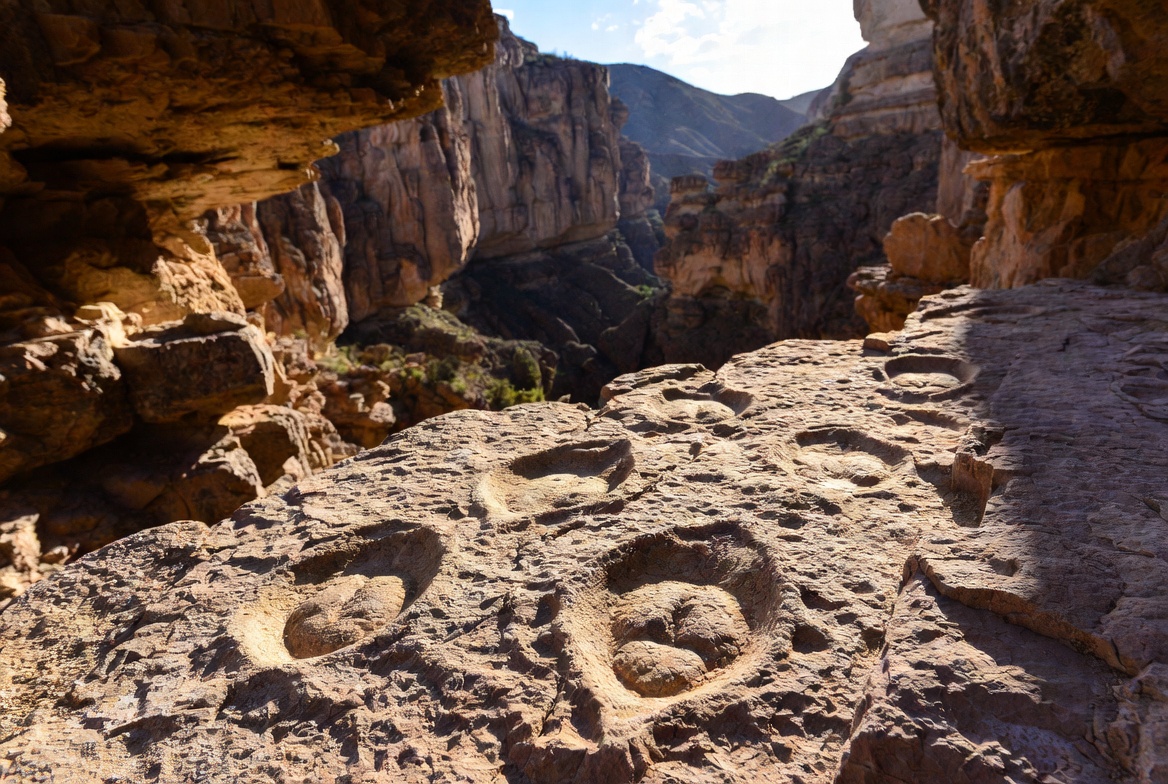
I still remember the moment I crouched down in Torotoro and touched an actual dinosaur footprint — a massive theropod track pressed into rock 68 million years ago. My finger fit inside one claw mark. No glass case, no rope barrier, just me, the stone, and this ridiculous feeling that time had folded in on itself. Torotoro National Park isn't big (only 16 km²), it's not easy to reach, and it doesn't have the Instagram fame of Uyuni or Madidi. But that's exactly why it still feels like a secret in 2026 — a pocket of Bolivia where you can walk on prehistoric ground, swim in turquoise pools, crawl through pitch-black caves, and not see another foreigner for hours.
I've been three times now (last visit January 2026), hiked every main trail, talked to park rangers who grew up in the village, and watched how tourism has slowly changed the place without (yet) ruining it. Prices crept up a little from inflation and more domestic visitors, but it's still one of the cheapest, most mind-bending national parks in South America. This guide is for people who want the real Torotoro experience in 2026 — not the glossy version, but what actually happens when you step off the Cochabamba bus and into dinosaur time.
Why Torotoro National Park Bolivia still feels undiscovered in 2026
Torotoro sits in a remote corner of Potosí department, about 140 km from Cochabamba. It's tiny compared to Madidi or Sajama, but packed with:
• Thousands of dinosaur footprints (theropods, sauropods, ornithopods)
• Umajalanta Cave — one of Bolivia's longest underground systems
• El Vergel and Chiflón waterfalls with crystal pools
• Rock paintings and Inca roads
• Andean condors circling overhead
What keeps crowds away?
• Rough 3–4 hour dirt road from Cochabamba
• No direct flights
• Mandatory local guides for most trails
• Altitude 2,600–3,600 m (less brutal than Uyuni, but still hits)
In 2026 domestic tourism is growing (Bolivians love it for weekend trips), but international visitors are still rare outside July–August. You can easily have Umajalanta Cave to yourself mid-week.
How to get to Torotoro National Park Bolivia in 2026
From Cochabamba
• Shared 4×4 taxis / minibuses from Cochabamba terminal: 40–60 BOB ($6–9), leave 7–9 am, arrive Torotoro 11 am–1 pm
• Private taxi: $80–120 one-way (split with others)
• Road condition: mostly dirt, bumpy, scenic as hell
From Sucre or Potosí
• Bus to Cochabamba first, then same as above
• No direct public transport — plan 8–10 hours total
From La Paz
• Overnight bus to Cochabamba (8–10 hours, $15–25), then onward
Entrance fee 2026: 100 BOB ($14.50) foreigners, 30 BOB Bolivians. Guides mandatory for caves/waterfalls: $15–30 per group (split 4–6 people).
Where to stay in Torotoro village (simple, cheap, authentic)
Torotoro is a small village — no luxury, no ATMs, limited electricity some nights.
Budget (under $25/night)
• Hostal El Vergel — basic rooms, hot(ish) showers, great breakfast
• Residencial Torotoro — family-run, clean, home-cooked meals
• Eco-lodges on outskirts — solar power, composting toilets, $15–20
Bring cash (BOB), power bank, headlamp. Internet spotty — buy SIM in Cochabamba if needed.
The absolute must-do experiences in Torotoro National Park 2026
Dinosaur footprints (Ciudad de Itas & Toro Toro Canyon)
Hundreds of tracks — some 30–40 cm wide. Guides explain stride length, speed estimates. Best light: morning or late afternoon.
Umajalanta Cave
One of Bolivia's longest caves. 7 km explored, dark, wet, slippery. Headlamp mandatory, guide required. Crawl sections, underground river, blind fish. Takes 3–5 hours. Not for claustrophobia.
El Vergel & Chiflón Waterfalls
Turquoise pools you can swim in. Short hikes (30–60 min). Bring swimsuit, towel. Water cold but refreshing at 3,000 m.
Rock paintings & Inca roads
Ciudad de Itas — ancient petroglyphs (hands, llamas, geometric shapes). Inca trail remnants — feel like you're walking history.
Sunrise from Mirador de los Dinosaurios
Short hike above town. Condors gliding, valley below — quiet magic.
Night sky
No light pollution. Bring binoculars or just lie on your back — Milky Way looks painted.
Sample 3–4 Day Torotoro Itinerary 2026
Day 1 Arrive Cochabamba → shared taxi to Torotoro (arrive lunch). Afternoon: Ciudad de Itas rock paintings + footprints. Sunset from viewpoint.
Day 2 Full day Umajalanta Cave (guide mandatory, start early). Evening: relax, stargaze, home-cooked dinner.
Day 3 Morning El Vergel waterfall swim + Chiflón hike. Afternoon: more footprints or free wander village.
Day 4 (optional) Sunrise hike + early taxi back to Cochabamba.
Budget total: $150–250 (transport $20–40, lodging $40–80, food $30–50, guide/entrance $60–80).
Safety & practical tips Torotoro National Park Bolivia 2026
• Altitude 2,600–3,600 m — milder than Uyuni, but hydrate, coca tea helps
• Trails slippery after rain — good shoes with grip
• Guides mandatory for caves/waterfalls — hire locally (supports community)
• No ATMs — bring cash
• Limited medical help — have travel insurance
• Respect: no touching paintings, stay on trails, no litter
• Weather: dry May–Oct best, rainy Nov–Apr greener but muddier
Packing for Torotoro 2026 (keep it light)
• Hiking shoes with grip
• Headlamp + extra batteries
• Swimsuit + quick-dry towel
• Layers (cold mornings/evenings)
• Sunscreen, hat, polarized shades
• Reusable water bottle
• Snacks (limited shops)
• Small daypack
• Cash BOB small bills
• Offline maps (Maps.me)
FAQ — real questions from Torotoro travelers 2026
Torotoro National Park Bolivia dinosaur footprints 2026? Thousands — Ciudad de Itas & canyon trails. Guide explains species.
How to get to Torotoro National Park Bolivia 2026? Shared 4×4 from Cochabamba, 3–4 hours, $6–9.
Torotoro National Park Bolivia entrance fee 2026? 100 BOB foreigners, 30 BOB locals.
Umajalanta Cave Torotoro guide 2026? Mandatory, $15–30/group. Dark, wet, amazing.
Best time to visit Torotoro National Park Bolivia 2026? Dry May–Oct trails easier, rainy greener waterfalls.
Torotoro National Park Bolivia where to stay 2026? Village hostels $10–25/night — basic, authentic.
Torotoro dinosaur footprints independently 2026? No — guides mandatory most trails.
Torotoro National Park Bolivia itinerary 3 days 2026? Day 1 footprints, Day 2 cave, Day 3 waterfalls.
Torotoro National Park Bolivia safety 2026? Safe, but slippery trails, altitude — guide essential.
Torotoro National Park Bolivia budget 2026? $40–70/day including guide/entrance.
Torotoro doesn't shout. It whispers. A footprint here, a cave there, a waterfall pool that looks photoshopped. In 2026 it's still quiet enough that you can feel like the first person to discover it — even though dinosaurs beat you by 68 million years.
If you're planning a trip or want help combining Torotoro with Sucre/Potosi — ask. I'll give you the real routes.
Safe steps. Watch for footprints.