Uyuni Salt Flats Photography Tips 2026
How to actually capture that mirror without coming home with a bunch of mediocre shots — gear, settings, timing, and post-processing that work.
Uyuni Salt Flats Photography Tips 2026: How to Actually Capture That Mirror Without Coming Home with a Bunch of Mediocre Shots
I still cringe when I scroll back to my first Uyuni trip photos from a couple years ago. Blown-out whites, horizon crooked, reflections that looked like someone spilled water on a table instead of the infinite sky-under-your-feet magic everyone raves about. Turns out the salar doesn't forgive lazy shooting — the light is brutal, the scale messes with your brain, and the mirror effect (when it shows up) is so fleeting you have about 30–45 minutes before wind or clouds ruin it.
I've been back three times since, once specifically chasing perfect mirror conditions in rainy season 2025, and talked to pro photographers and hundreds of travelers who got it right (and wrong) in 2026. This isn't another generic "bring a tripod" list. These are the real, hard-earned Uyuni salt flats photography tips that separate the shots you frame on your wall from the ones you delete in shame.
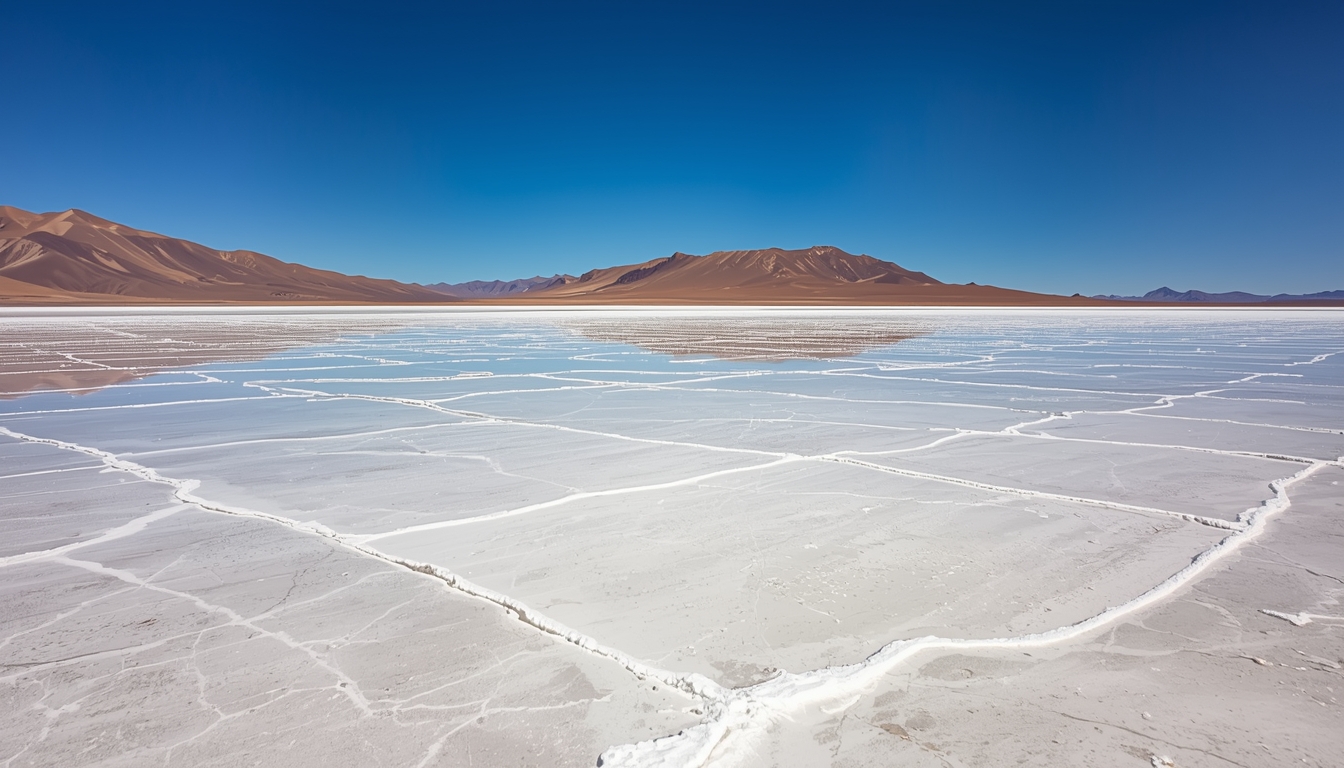
1. Understand the two completely different beasts: dry season vs rainy season light
Dry season (May–November)
Classic white salar, deep blue sky, razor-sharp perspective illusions. Light is harsh from 10 am to 4 pm — massive dynamic range, easy to blow highlights or crush shadows. Sunrise/sunset golden hours are short but intense. Best for: clean symmetry shots, people-standing-on-cloud illusions, train cemetery silhouettes.
Rainy season (December–April, peak Jan–Mar)
Mirror effect turns the salar into a 10,000 km² floating sky. Light is softer, reflections perfect when wind < 5–10 km/h. But clouds move fast, ripples kill the mirror in minutes, and overcast days can flat everything out. Best for: surreal double-exposure looks, sunrise/sunset symmetry, flamingo-lagoon reflections on day 2–3.
In 2026 the rainy season pattern hasn't shifted much — January and February still give the highest mirror probability, but check wind forecasts obsessively 3–5 days before.
2. Gear that actually survives the salar (and what to leave at home)
Must-haves
• Wide-angle lens (16–35 mm or 14–24 mm) — the salar is huge; you need to capture scale.
• Polarizer filter — cuts glare on water, deepens sky, makes reflections pop. Rotate slowly to see the difference.
• ND filters (6–10 stop) — long exposures for silky clouds or smooth water if windy.
• Sturdy tripod (carbon fiber if weight matters) — wind can be brutal, cheap ones wobble.
• Remote shutter or 2-sec timer — no shake on long exposures.
• Lens cloths + blower — salt dust gets everywhere.
• Extra batteries (cold kills them fast at night).
• Rain cover for camera + backpack liner (rainy season).
Nice-to-have
• Telephoto (70–200 mm) for compressing distant volcanoes or isolating flamingos.
• Drone — allowed in some areas but restricted in reserve; check 2026 rules, fine risk high.
Leave at home: heavy gimbal (wind), cheap filters (flare city), non-weather-sealed gear.
3. Perspective shots that don't look like everyone else's
Everyone does the jumping human / giant bottle thing. To stand out:
• Use foreground objects creatively — shoe, hat, tiny toy dinosaur, even your shadow.
• Get low — lie on the ground or use live-view flip screen.
• Play with scale in layers — person far away, object close, background volcano.
• Shoot during golden hour — long shadows add depth.
• In mirror season — place subject so reflection doubles them perfectly (needs calm water).
• Avoid midday — harsh light kills contrast.
4. Mirror effect photography tricks (the make-or-break moments)
• Scout calm areas — middle of salar less wind-rippled than edges.
• Shoot sunrise/sunset — light softer, colors insane.
• Use hyperfocal distance — f/8–f/11, focus ~2–3 m ahead to get everything sharp.
• Bracket exposures — HDR for high-contrast sky + reflection.
• Avoid walking in frame — footprints ruin perfect mirror.
• Wait for wind to die — ripples kill it in seconds.
• Include yourself — self-timer + remote, stand far for tiny figure in vast reflection.
5. Day 2–3 reserve shots (lagoons, geysers, flamingos)
• Laguna Colorada — sunrise for flamingo silhouettes against red water.
• Geysers — steam against blue sky, wide-angle low to emphasize scale.
• Árbol de Piedra — golden hour side-lighting shows texture.
• Hot springs — steam rising + reflection if calm.
• Use telephoto for flamingo close-ups — they're skittish.
6. Post-processing cheats that make Uyuni look like Uyuni
• Recover highlights aggressively — whites clip fast.
• Dehaze + clarity to cut through dust.
• Split-tone for cold blues in shadows, warm oranges in highlights.
• Dodge/burn to guide eye to subject.
• Don't oversaturate — salar colors are already insane.
Packing & prep checklist for Uyuni photography 2026
• Camera + 2–3 lenses (wide + tele)
• Filters (polarizer + ND)
• Sturdy tripod + quick-release plate
• Extra batteries + charger
• Lens cloths, blower, rain cover
• Offline maps (Maps.me)
• Headlamp
• Power bank
• Small tripod for self-timer
• ND grad filter (optional for sunrise/sunset)
FAQ – questions real photographers ask before Uyuni 2026
Best time for Uyuni salt flats photography mirror effect 2026? January–early March, calm mornings/sunset.
Uyuni salt flats photography tips for beginners 2026? Wide lens, polarizer, low angles, sunrise/sunset only.
Uyuni salt flats perspective shots tips 2026? Low to ground, layers, golden hour shadows.
Uyuni salt flats drone photography rules 2026? Restricted in reserve, fines high — check locally.
Uyuni salt flats photography gear 2026 must-have? Wide-angle, polarizer, tripod, extra batteries.
Uyuni salt flats rainy season photography tips 2026? Low wind, sunrise/sunset, bracket exposures.
Uyuni salt flats independently photography 2026? Possible but expensive — rent 4x4, freedom for light.
Uyuni salt flats post-processing tips 2026? Recover highlights, dehaze, subtle split-tone.
Uyuni salt flats sunrise photography locations 2026? Middle salar for mirror, Incahuasi for cacti silhouettes.
Best Uyuni salt flats photography tour 2026? Small-group English guides (Viator/GetYourGuide) for flexible stops.
The salar doesn't care about your fancy gear or Instagram followers. It just sits there — massive, indifferent, blinding — waiting for you to get the light right. Get up stupid early, chase calm wind, lie on the ground until your elbows hurt, and when that mirror finally appears… shoot like your life depends on it. Because those 20–30 minutes might be the best light you ever see.
Got a specific shot you're chasing or gear question? Drop it below. I actually read and reply.
Safe shooting.