Bolivia Travel Guide 2026
The raw, high-altitude country that still feels like it’s holding something back — honest tips, real prices, and everything you need for the adventure of a lifetime.
Bolivia Travel Guide 2026: The Raw, High-Altitude Country That Still Feels Like It’s Holding Something Back
I’ve been coming back to Bolivia for years now, and every time I land in El Alto or step off a night bus in Uyuni, I still get that same jolt — like the air is thinner, the light sharper, and the whole place is daring you to keep up. This isn’t a gentle country. It’s high, cold, dusty, sometimes chaotic, and heartbreakingly beautiful in ways that don’t always photograph well. In 2026 it’s still one of the last places in South America where you can disappear into landscapes that feel older than time itself, talk to miners who work in the same mountain their great-grandfathers died in, or wake up to howler monkeys instead of construction noise.
This guide isn’t trying to sell you Bolivia. It’s trying to prepare you for it. I’ve just come off another three-week loop (La Paz → Titicaca → Uyuni → Potosí → Sucre → Cochabamba → Rurrenabaque → back), checked prices, asked locals what’s changed, and talked to travelers who got it right and others who got wrecked. Prices are up a little from 2024–2025 (fuel, inflation, more domestic tourists), but it’s still stupidly affordable if you know where to look.
Why Bolivia in 2026 still feels like the real deal
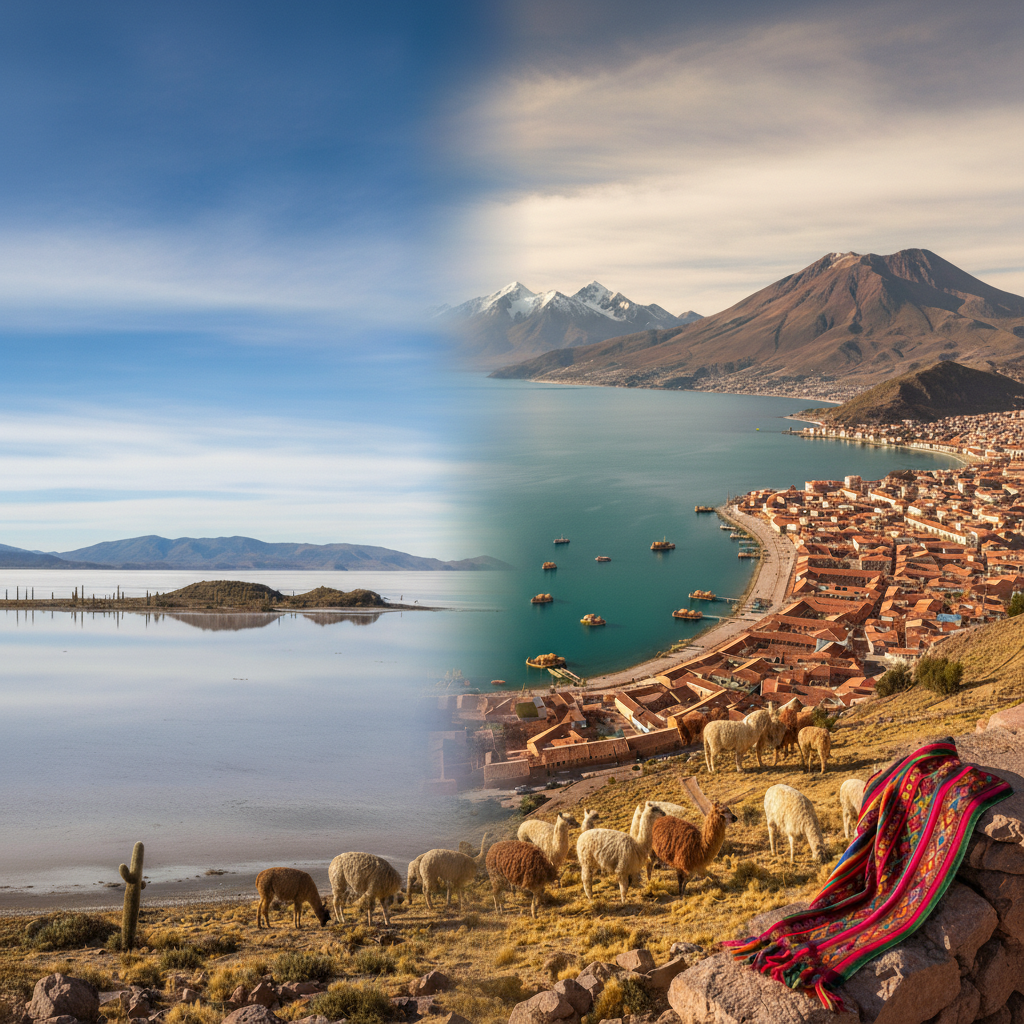
Peru has polished Machu Picchu. Chile has slick Atacama lodges. Bolivia? It hasn’t figured out how to be Instagram-perfect yet — and that’s its strength. The roads are still bad, buses still break down, some places have no signal for days, and the altitude will make you question every decision that brought you here. But when a condor glides past you at 4,000 meters or you stand alone on a salt flat at sunrise with the sky reflected under your boots, you remember why you came.
In 2026 the bicentennial buzz has faded, lithium projects are moving slowly (and still controversial), and sustainable tourism is finally getting traction — more community lodges, fewer plastic bottles handed out like candy, smaller groups on the salar. It’s not perfect. But it’s honest.
How to get into Bolivia in 2026 (and survive the first few days)
Main entry points
• La Paz (El Alto airport) — most international flights land here
• Santa Cruz (Viru Viru) — easier for people coming from Brazil/Argentina
• Land borders: Peru (Copacabana/Puno), Chile (Hito Cajón from San Pedro), Argentina (La Quiaca/Villazón)
After a long flight into El Alto, don’t gamble on random taxis. A pre-booked airport transfer through Kiwitaxi is usually the least stressful way into the city — fixed price, driver waiting, no haggling at 4,000 meters when your head already hurts.
Visa & entry rules 2026 Most nationalities get 90 days visa-free on arrival. Passport valid 6+ months. Yellow fever certificate required if coming from risk areas (Brazil, Peru jungle).
First-night survival Land in La Paz (3,640 m) and you will feel it — headache, shortness of breath, weird tiredness. Book a hostel/hotel in Sopocachi or city center, drink coca tea like it’s your job, move slow for 2–3 days. No heroics. Altitude kills more tourists than anything else here.
📱 Internet in Bolivia: local SIMs work, but an eSIM is faster if you land late or don’t want to hunt for a shop. Airalo has Bolivia packages you can install before the flight.
Bolivia’s must-see regions & how long you actually need (2026 reality)
La Paz & around (3–5 days) Cable cars, Witches’ Market, Cholita wrestling, Valley of the Moon, Death Road bike tour (or skip it for quieter Yungas roads). Acclimatize here first. City experiences and day trips are easy to book through Tiqets if you want tickets sorted before you arrive.
Lake Titicaca Bolivia side (3–4 days) Copacabana basilica, Isla del Sol sunrise hike, Moon Island ruins. Quieter than Peru side. Mirror-like water at dawn.
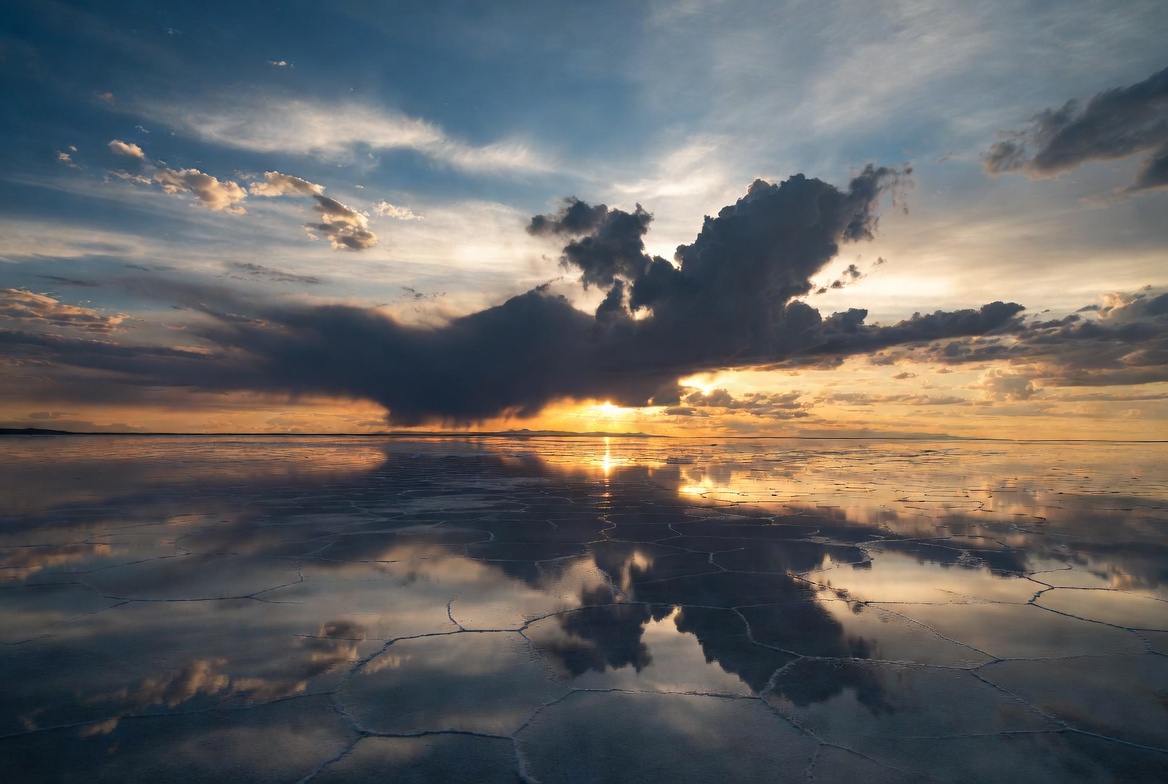
Uyuni Salt Flats (3–5 days) 3-day classic (from Uyuni or La Paz bus) — $180–450. Mirror Jan–Mar, classic white May–Nov. Sustainable picks: Nomades Green or community jeeps. If you prefer a structured small-group option, check what’s listed on YouTravel before you commit in town.
Potosí & Sucre (4–6 days) Ethical Cerro Rico mine tour (Pailaviri co-op), colonial white streets, Tarabuco Sunday market. Potosí still raw — miners’ stories hit hard.
Torotoro National Park (3–4 days) Dinosaur footprints you can touch, Umajalanta Cave crawl, waterfalls. Remote, quiet, mind-bending.
Madidi Amazon & Rurrenabaque (4–7 days) Pink dolphins, caimans, macaw licks, night walks. Community lodges (Chalalan, San Miguel) best for ethics & wildlife.
Sajama National Park (4–6 days) Hot springs under volcanoes, vicuñas, condors. Very remote — only for people who like silence.
Samaipata & Amboró (3–5 days) El Fuerte ruins, cloud forest hikes, waterfalls. Relaxed vibe near Santa Cruz.
Suggested 14–21 day Bolivia loop 2026
Days 1–4: La Paz acclimatize + city
Days 5–7: Lake Titicaca
Days 8–11: Uyuni 3–4 days
Days 12–15: Potosí ethical mine + Sucre
Days 16–19: Torotoro or Madidi
Days 20–21: back to La Paz/Santa Cruz fly out
Budget: $1,200–2,500 (backpacker to mid-range).
Bolivia 2026 prices snapshot (daily estimates)
• Hostel dorm/private: $8–25 / $20–50
• Mid-range hotel: $40–80
• Meals (street/food market): $3–8
• Sit-down restaurant: $8–15
• Local bus: $5–20 long-haul
• Domestic flight: $40–120
• Shared tour (Uyuni 3d): $180–450
• Madidi 4d lodge: $220–500
• Daily budget backpacker: $35–60
• Mid-range: $70–120
Safety & practical Bolivia 2026 (straight talk)
• Petty theft in La Paz markets, El Alto — watch bags
• Altitude sickness kills more than crime — acclimatize, coca tea, Diamox if doc okays
• Night buses — use reputable companies (Bolivia Hop, Tourist Bus)
• Solo female — generally safe, but avoid quiet streets after dark
• Water — don’t drink tap, buy bottled or filter
• Cash — ATMs widespread but carry BOB small bills
• Best time: dry May–Oct (trails/salar), rainy Nov–Apr (mirror, green Amazon)
For longer routes (La Paz → Uyuni, border runs, jungle transfers) a private transfer via Kiwitaxi can be worth it when buses are full or you land late. Not cheap compared to a local bus — but sometimes the saner option.
Packing for Bolivia multi-region 2026 (essentials only)
Layers (thermals, fleece, puffy, waterproof), good hiking shoes, reusable bottle + filter, headlamp/power bank, altitude meds & coca leaves, sunscreen & hat & shades, bug repellent (Amazon), small daypack, cash USD/BOB, offline maps.
And download an eSIM before you go — Airalo is the one I keep coming back to when I don’t want to deal with airport SIM counters after a night flight.
FAQ — questions people actually ask before Bolivia 2026
Bolivia travel guide 2026 best time? May–Oct dry season for most places, Jan–Mar rainy for Uyuni mirror.
Bolivia travel guide 2026 budget? $35–60/day backpacker, $70–120 mid-range.
Is Bolivia safe to travel 2026? Yes with normal precautions — altitude bigger risk than crime.
Bolivia multi day tours 2026 best? Uyuni + lagoons, Madidi jungle, Torotoro dino combo. Compare options on YouTravel or book city tickets via Tiqets.
Bolivia travel guide 2026 itinerary 2 weeks? La Paz → Titicaca → Uyuni → Sucre/Potosí loop.
Bolivia sustainable travel 2026? Community lodges Madidi, co-op mines Potosí, green Uyuni jeeps.
Bolivia travel guide altitude tips 2026? 2–3 days acclimatize La Paz, coca tea, hydrate, no booze first nights.
Bolivia travel guide Uyuni rainy season 2026? Mirror magic Jan–Mar, book early, accept reroutes.
Bolivia travel guide Madidi jungle 2026? Chalalan or San Miguel — ethical, wildlife.
Bolivia travel guide Torotoro dinosaur footprints 2026? 3–4 days from Cochabamba, cave + waterfalls.
Bolivia doesn’t ask you to love it right away. It just waits — high, cold, quiet — until the altitude headache fades, the dust settles, and you realize you’ve been staring at the same mountain for twenty minutes without saying a word. In 2026 it’s still possible to feel like you’re one of the few who really saw it.
If you’re planning your route, stuck on Uyuni vs Madidi priority, or want contacts for community tours — ask. I’ll give you the paths that actually work.
Safe roads. Keep the altiplano in your lungs.